 |
|
|
|
|
|
 let her and her work mates know that she's really worthy and loved
| RELATED |
|
|
| ABOUT US |
|
|
| TOP ART REMEDIES |
|
|
| MISCELLANEOUS |
| RECOMMENDED |
|
|||||||||||||||||
|
|
||||||||||||||||


 together
Look it up on Amazon »
Details »
|
Valentines Day Traditions
VALENTINES DAY TRADITIONS AROUND THE WORLD AND TIMES
Some people used to believe that:
if a woman saw a robin flying overhead on Valentine's Day, it meant she would marry a sailor. If she saw a sparrow, she would marry a poor man and be very happy. If she saw a goldfinch, she would marry a millionaire.
- the first man an unmarried woman saw on 14th February would be her future husband;
- if the names of all a girl's suitors were written on paper and wrapped in clay and the clay put into water, the piece that rose to the surface first would contain the name of her husband-to-be.
- if a lady put a silver coin under her pillow on Valentine's eve, she'd receive a proposal by the end of the year. (Victorian Valentines Day traditions)
In the Middle Ages, Valentines Day traditions was for young men and women to drew names from a bowl to see who their valentines would be. They would wear these names on their sleeves for one week. Hence the well known saying, "To wear you heart on your sleeve."
In the Middle Ages, people believed that the first unmarried person of the opposite sex you met on the morning of St. Valentine's Day would become your spouse.
Hundreds of years ago in England, many children dressed up as adults on Valentine's Day. They went from home to home singing:
Good morning to you, valentine;
Curl your locks as I do mine---
Two before and three behind.
Good morning to you, valentine.
In Wales wooden love spoons were carved and given as gifts on February 14th. Hearts, keys and keyholes were favorite decorations on the spoons. The decoration meant, "You unlock my heart!"
Another British folk belief was that to insure a dream of your husband to be was to place bay leaves sprinkled with rose water on your pillows on St. Valentine's Day Eve and recite this little prayer:
Good valentine, be kind to me;
In dreams, let me my true love see.In Victorian times it was considered bad luck to sign a Valentine's Day card.
Valentine's Day didn't become popular in the United States until the 1800s.
During the Civil War valentines for the soldiers and their sweethearts often depicted lovers parting or a tent with flaps that opened to reveal a soldier. These were called "windows." In times of peace the "window" would be a church door, opening on a bride and groom. Another Civil War valentine novelty was for the card to have a place for the sender to place a lock of hair.In some countries, as part of Valentines Day traditions, a young woman may receive a gift of clothing from a young man. If she keeps the gift, it means she will marry him.
In Scotland or Italy Valentine's Day is celebrated by having a spring festival with a equal number of young single men and young single ladies who get together, they write on a piece of paper their name or a made up name, this is then rolled up and the ladies have to draw a piece of paper out of the hat and get their Valentine.
Greece is well known for Valentine's Day, here the ritual made its presence felt as a particular date to celebrate the sacred marriage of Zeus and Hera.
In Japan, girls give Valentine's Day chocolates to boys. Then after one month later it is the turn of the men to give in return. It is March 14th (the White Day), when men present gifts of chocolate to all the ladies who remembered them on Valentines Day. The color of the chocolate is generally white because of the name of the day.
One of the popular Valentines Day traditions & customs in Denmark is sending of snowdrops - white flowers. Also on this day, young couples swap funny little poems or love notes, known as ‘gaekkebrev’.
If you are awakened by a kiss on Valentine's day you will have good luck.
Valentine cards as we know them have been sent since Victorian times. Originally hand-made and decorated with pictures of hearts, flowers, birds and lots of lace, they are traditionally sent anonymously, even going so far as to disguise handwriting or posting in another town (to avoid giving a clue in the postmark!)
|
|
||||||||||||||||||||


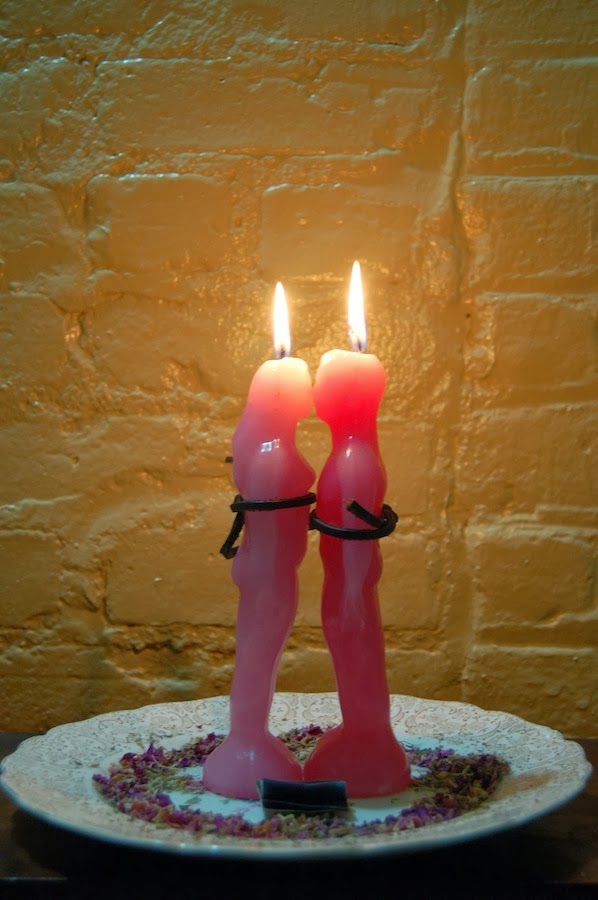
Valentines Day Traditions